
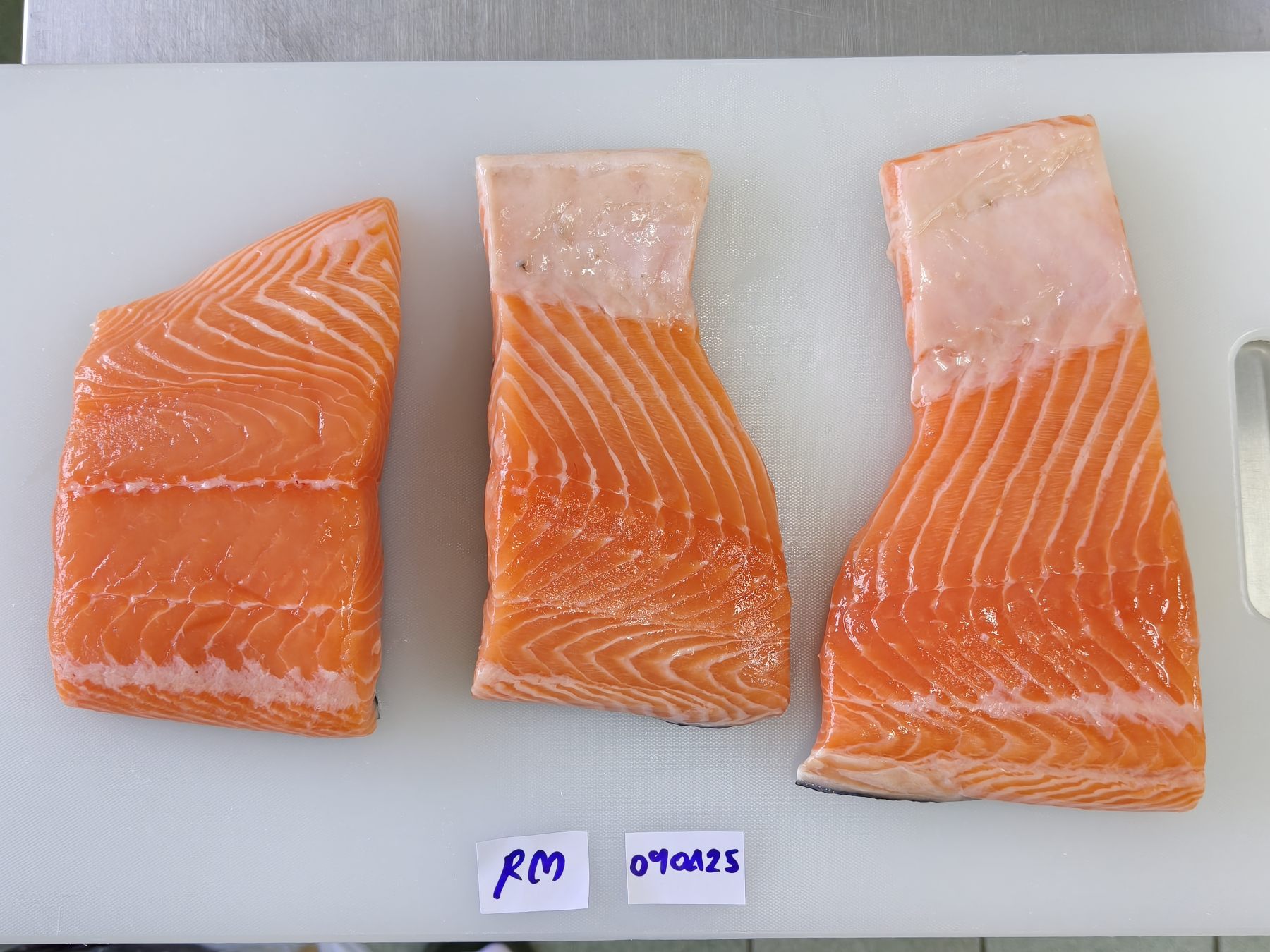
Using phosphate for seafood has become a common practice in the seafood industry. As a matter of fact, it has been introduced to seafood manufacturers for many years because of its effectiveness in preserving product quality while also supporting marine resource sustainability (Gonçalves, 2008). To understand the necessity of using phosphate for seafood, it is essential to examine the nature of seafood itself, how it interacts with this particular compound, and what are potential risks that might occur if phosphate for seafood is disregarded.การใช้ฟอสเฟตสำหรับอาหารทะเลได้กลายเป็นแนวทางปฏิบัติทั่วไปในอุตสาหกรรมอาหารทะเล อันที่จริงแล้ว สารนี้ถูกนำมาใช้ในกลุ่มผู้ผลิตอาหารทะเลมาเป็นเวลาหลายปี เนื่องจากมีประสิทธิภาพในการรักษาคุณภาพของผลิตภัณฑ์ พร้อมทั้งสนับสนุนความยั่งยืนของทรัพยากรทางทะเล (Gonçalves, 2008) เพื่อทำความเข้าใจถึงความจำเป็นของการใช้ฟอสเฟตสำหรับอาหารทะเล จำเป็นต้องพิจารณาธรรมชาติของอาหารทะเลเอง วิธีที่มันทำปฏิกิริยากับสารประกอบชนิดนี้ และความเสี่ยงที่อาจเกิดขึ้นหากละเลยการใช้ฟอสเฟตสำหรับอาหารทะเล
It is evident that seafood products are highly perishable. There are several factors that cause seafood—such as fish, shellfish, and shrimp—to spoil more quickly than other types of food. A major reason is its high susceptibility to microbial and bacterial activity. Spoilage typically results from enzymatic reactions and oxidation, among other factors. Seafood is high in protein, making it spoilage by proteolytic bacteria, which break down proteins during storage. Furthermore, the presence of free amino acids further accelerates the spoilage process, leading to undesirable changes in texture, taste, and smell (Thompson, 2009). Additionally, seafood contains high levels of nutrients—particularly non-protein nitrogen (NPN) compounds—as well as high water activity and pH. These factors contribute to rapid moisture loss from the meat. These characteristics create an ideal environment for bacterial growth, which speeds up the spoilage process (Anagnostopoulos, et al., 2022).เป็นที่ประจักษ์ชัดว่าผลิตภัณฑ์อาหารทะเลเน่าเสียได้ง่ายมาก มีหลายปัจจัยที่ทำให้อาหารทะเล เช่น ปลา หอย และกุ้ง เน่าเสียเร็วกว่าอาหารประเภทอื่น สาเหตุสำคัญประการหนึ่งคือความอ่อนไหวสูงต่อกิจกรรมของจุลินทรีย์และแบคทีเรีย การเน่าเสียมักเกิดจากปฏิกิริยาของเอนไซม์และปฏิกิริยาออกซิเดชัน รวมถึงปัจจัยอื่น ๆ อาหารทะเลมีโปรตีนสูง จึงเสี่ยงต่อการเน่าเสียจากแบคทีเรียที่ย่อยสลายโปรตีน (proteolytic bacteria) ซึ่งจะสลายโปรตีนในระหว่างการเก็บรักษา นอกจากนี้ การมีกรดอะมิโนอิสระยังเร่งกระบวนการเน่าเสียให้เร็วขึ้น ส่งผลให้เกิดการเปลี่ยนแปลงที่ไม่พึงประสงค์ในด้านเนื้อสัมผัส รสชาติ และกลิ่น (Thompson, 2009) นอกจากนี้ อาหารทะเลยังมีสารอาหารในระดับสูง โดยเฉพาะสารประกอบไนโตรเจนที่ไม่ใช่โปรตีน (NPN) รวมถึงมีค่าวอเตอร์แอคติวิตี (water activity) และค่าพีเอชสูง ปัจจัยเหล่านี้ล้วนส่งผลให้เนื้อสูญเสียความชื้นอย่างรวดเร็ว คุณลักษณะเหล่านี้สร้างสภาพแวดล้อมที่เหมาะสมต่อการเจริญเติบโตของแบคทีเรีย ซึ่งเร่งกระบวนการเน่าเสียให้เร็วยิ่งขึ้น (Anagnostopoulos, et al., 2022)
To prevent these problems, freshly caught seafood is immediately submerged in a solution containing 5 kilograms of food-grade sodium tripolyphosphate and 5 kilograms of glassy sodium phosphate dissolved in 90 liters of water (FAO, n.d.). Phosphate for seafood acts as bacterial-inhibiting agents, helping to prevent spoilage in raw products (Jirakorn, 2024). In addition to the use of solutions, temperature is another factor that could affect the quality of seafood throughout the processing stages. Therefore, keeping the product at a low temperature helps ensure its freshness and overall quality. Phosphate for seafood alters the way seafood interacts with its natural environment. To further clarify, it aims to increase the pH value and ionic strength, promote binding between meat proteins and divalent metal ions, enhance protein–protein interactions, and facilitate the dissociation of actomyosin. The roles of phosphate for seafood involves solubilizing muscle proteins and reducing the acidity within the tissue. This process relaxes muscle tension, creates internal space within the meat, and ultimately enhances its ability to retain water (Gonçalves, 2012). Another study highlights that one of its benefits is reducing cooking yield, which refers to the decrease in weight after cooking (Shahidi & Synowiecki, 1997). This contributes to a fresher appearance and juicier texture in the cooked seafood.เพื่อป้องกันปัญหาเหล่านี้ อาหารทะเลที่จับได้ใหม่จะถูกแช่ในสารละลายที่ประกอบด้วยโซเดียมไตรโพลีฟอสเฟตเกรดอาหาร 5 กิโลกรัม และโซเดียมฟอสเฟตชนิดกลาสซี 5 กิโลกรัม ละลายในน้ำ 90 ลิตร ทันที (FAO, n.d.) ฟอสเฟตสำหรับอาหารทะเลทำหน้าที่เป็นสารยับยั้งแบคทีเรีย ช่วยป้องกันการเน่าเสียในวัตถุดิบสด (Jirakorn, 2024) นอกเหนือจากการใช้สารละลายแล้ว อุณหภูมิยังเป็นอีกปัจจัยหนึ่งที่อาจส่งผลต่อคุณภาพของอาหารทะเลตลอดขั้นตอนการแปรรูป ดังนั้น การเก็บรักษาผลิตภัณฑ์ไว้ในอุณหภูมิต่ำจึงช่วยรักษาความสดใหม่และคุณภาพโดยรวมได้ ฟอสเฟตสำหรับอาหารทะเลเปลี่ยนแปลงวิธีที่อาหารทะเลทำปฏิกิริยากับสภาพแวดล้อมตามธรรมชาติของมัน กล่าวคือ ฟอสเฟตมีเป้าหมายเพื่อเพิ่มค่าพีเอชและความแรงของไอออน ส่งเสริมการจับตัวระหว่างโปรตีนในเนื้อกับไอออนโลหะสองประจุ เสริมสร้างปฏิสัมพันธ์ระหว่างโปรตีนด้วยกัน และช่วยให้แอกโทไมโอซินแยกตัวได้ง่ายขึ้น บทบาทของฟอสเฟตสำหรับอาหารทะเลรวมถึงการละลายโปรตีนในกล้ามเนื้อและลดความเป็นกรดภายในเนื้อเยื่อ กระบวนการนี้ช่วยคลายความตึงตัวของกล้ามเนื้อ สร้างช่องว่างภายในเนื้อ และท้ายที่สุดช่วยเพิ่มความสามารถในการกักเก็บน้ำ (Gonçalves, 2012) การศึกษาอีกชิ้นหนึ่งยังชี้ให้เห็นว่าประโยชน์อีกประการหนึ่งคือการลดการสูญเสียน้ำหนักจากการปรุงสุก (cooking yield) ซึ่งหมายถึงน้ำหนักที่ลดลงหลังการปรุงสุก (Shahidi & Synowiecki, 1997) สิ่งนี้ช่วยให้อาหารทะเลที่ปรุงสุกแล้วมีรูปลักษณ์สดใหม่และเนื้อสัมผัสฉ่ำน้ำมากขึ้น
With the help of phosphate for seafood, the shelf life, quality, and safety of seafood products can be improved. It helps suppress bacterial growth that leads to early spoilage, while also enhancing texture by positively altering the meat’s chemical properties, creating optimal conditions for consumption. Thus, it becomes clear that the employment of phosphate for seafood offers significant benefits to the fisheries industry.ด้วยความช่วยเหลือของฟอสเฟตสำหรับอาหารทะเล อายุการเก็บรักษา คุณภาพ และความปลอดภัยของผลิตภัณฑ์อาหารทะเลสามารถได้รับการปรับปรุงให้ดีขึ้น ฟอสเฟตช่วยยับยั้งการเจริญเติบโตของแบคทีเรียที่นำไปสู่การเน่าเสียก่อนเวลา ขณะเดียวกันก็ช่วยเสริมเนื้อสัมผัสโดยการเปลี่ยนแปลงคุณสมบัติทางเคมีของเนื้อในทางที่ดี สร้างสภาวะที่เหมาะสมที่สุดสำหรับการบริโภค ด้วยเหตุนี้ จึงเห็นได้ชัดว่าการนำฟอสเฟตสำหรับอาหารทะเลมาใช้ก่อให้เกิดประโยชน์อย่างมีนัยสำคัญต่ออุตสาหกรรมประมง
Referencesเอกสารอ้างอิง
- Anagnostopoulos, D. A., Parlapani, F. F., & Boziaris, I. S. (2022). The evolution of knowledge on seafood spoilage microbiota from the 20th to the 21st century: Have we finished or just begun? Trends in Food Science & Technology, 120, 236–247.
- Food and Agriculture Organization of the United Nations. (n.d.). Polyphosphates in fish processing. fao.org/4/x5909e/x5909e01.htm
- Gonçalves, A. A., & Ribeiro, J. L. D. (2008). Do phosphates improve the seafood quality? Reality and legislation. Pan-American Journal of Aquatic Sciences, 3(3), 237–247.
- Gonçalves, A. A. (2012, January). Phosphates for seafood processing. researchgate.net/publication/260927823
- Jirakorn. (2024, December 12). Phosphate for seafood: The delicious secret formula that prolongs the life of Seafood. jirakorn.com/phosphate-for-seafood-…
- Shahidi, F., & Synowiecki, J. (1997). Protein hydrolyzates from seal meat as phosphate alternatives in food processing applications. Food Chemistry, 60(1), 29–32. https://doi.org/10.1016/s0308-8146(96)00296-8
- Thompson, S. (2009). Microbiological spoilage of high-sugar products. Compendium of the Microbiological Spoilage of Foods and Beverages, 301–324. https://doi.org/10.1007/978-1-4419-0826-1_11