
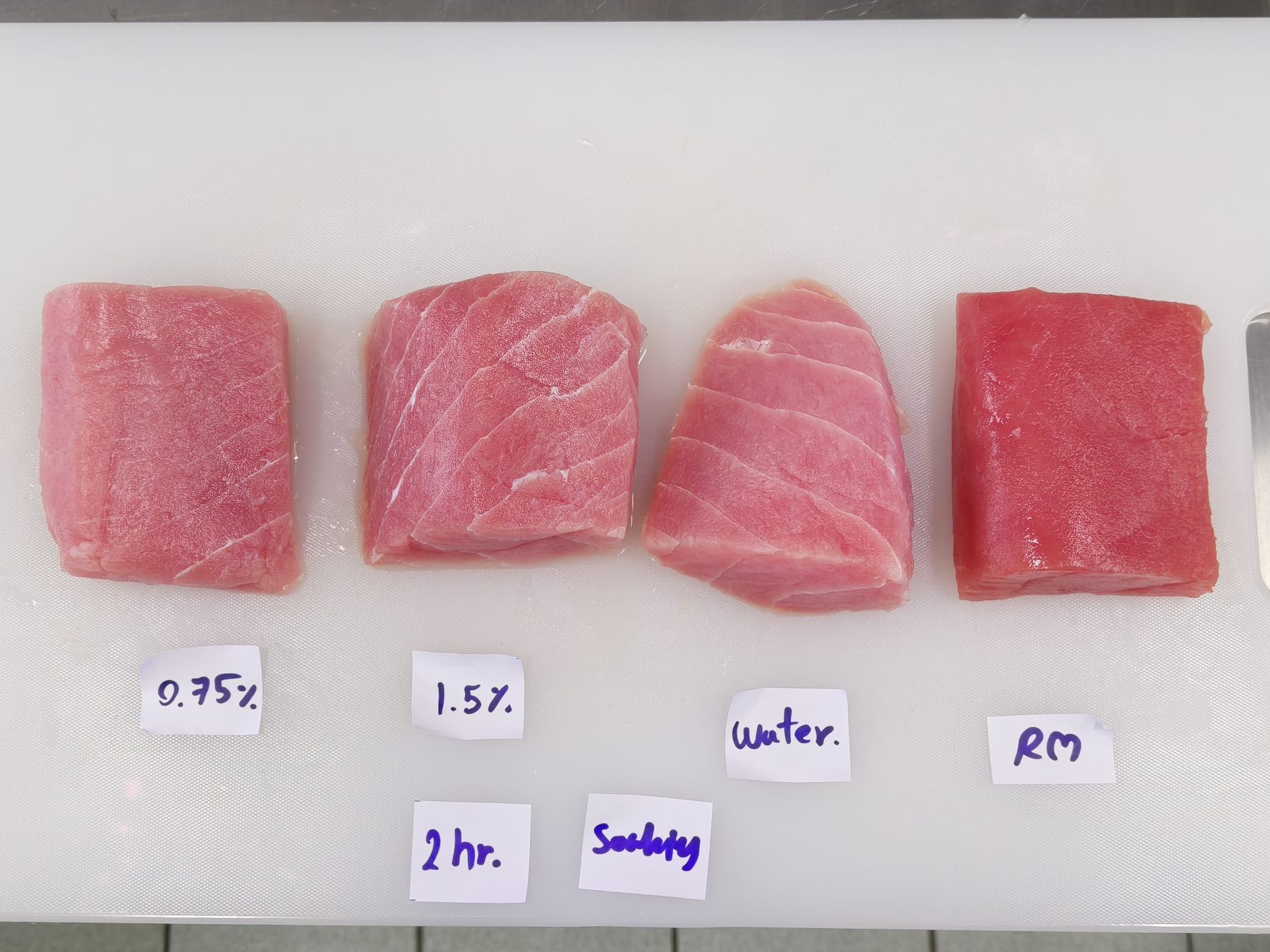
From the moment seafood is harvested from the ocean to the time it is served on consumers’ plates, phosphate for seafood is commonly used throughout the production process. The widespread use of phosphate for seafood is largely driven by its role in preservation, particularly its ability to inhibit bacterial growth and prevent premature spoilage. While the use of certain food additives—such as borax, formalin, or artificial dyes—can be harmful and ethically questionable due to their toxic effects, phosphate for seafood is significantly different. It is considered safe and is legally permitted in most countries, provided it is used within regulated limits (Panseri et al., 2020).นับตั้งแต่วินาทีที่อาหารทะเลถูกจับขึ้นจากทะเลไปจนถึงช่วงเวลาที่เสิร์ฟบนจานของผู้บริโภค ฟอสเฟตสำหรับอาหารทะเลถูกนำมาใช้อย่างแพร่หลายตลอดกระบวนการผลิต การใช้งานฟอสเฟตสำหรับอาหารทะเลอย่างกว้างขวางนี้ส่วนใหญ่เป็นผลมาจากบทบาทในการถนอมอาหาร โดยเฉพาะความสามารถในการยับยั้งการเจริญเติบโตของแบคทีเรียและป้องกันการเน่าเสียก่อนเวลาอันควร แม้ว่าการใช้วัตถุเจือปนอาหารบางชนิด เช่น บอแรกซ์ ฟอร์มาลิน หรือสีสังเคราะห์ อาจเป็นอันตรายและเป็นที่ตั้งคำถามด้านจริยธรรมเนื่องจากความเป็นพิษ แต่ฟอสเฟตสำหรับอาหารทะเลนั้นแตกต่างออกไปอย่างสิ้นเชิง โดยถือว่ามีความปลอดภัยและได้รับอนุญาตตามกฎหมายในประเทศส่วนใหญ่ ตราบใดที่ใช้ภายในปริมาณที่กำหนด (Panseri et al., 2020)
However, in recent times, people have become increasingly health-conscious (Jirakorn, 2025). They are more cautious about what they purchase and consume—especially when they lack specific knowledge about substances like phosphate for seafood. As a result, many consumers are now drawn to products labeled as “organic” and begin to question the use of additives (Ahmed et al., 2020). They may wonder: Why do manufacturers add substances that could potentially impact human health? Is it not possible to offer seafood that is organic, untouched, and naturally appealing? The truth is, organic seafood—fresh from the ocean and free from additives—is not entirely impossible. However, there are significant challenges that make it difficult to distribute on a large scale. One major challenge is that seafood has a very short shelf life, making it difficult to ensure that the majority of the catch survives in good condition until the processing stage (Al-Hajj et al., 2014). The moment it is removed from seawater, it is immediately exposed to air, bacteria, and other degrading elements. Moreover, even during transportation—when seafood is kept at freezing temperatures to slow down the degradation process—such low temperatures can negatively impact the surface texture of the seafood meat.อย่างไรก็ตาม ในช่วงไม่กี่ปีที่ผ่านมา ผู้คนหันมาใส่ใจสุขภาพกันมากขึ้นเรื่อย ๆ (Jirakorn, 2025) พวกเขาระมัดระวังมากขึ้นในสิ่งที่ซื้อและบริโภค โดยเฉพาะเมื่อขาดความรู้เฉพาะทางเกี่ยวกับสารอย่างฟอสเฟตสำหรับอาหารทะเล ส่งผลให้ผู้บริโภคจำนวนมากหันไปสนใจผลิตภัณฑ์ที่ติดฉลาก “ออร์แกนิก” และเริ่มตั้งคำถามเกี่ยวกับการใช้วัตถุเจือปนอาหาร (Ahmed et al., 2020) พวกเขาอาจสงสัยว่า เหตุใดผู้ผลิตจึงเติมสารที่อาจส่งผลกระทบต่อสุขภาพของมนุษย์ลงไป เป็นไปไม่ได้หรือที่จะนำเสนออาหารทะเลที่เป็นออร์แกนิก ไม่ผ่านการปรุงแต่ง และมีความน่าดึงดูดตามธรรมชาติ ความจริงแล้ว อาหารทะเลออร์แกนิกที่สดจากทะเลและปราศจากวัตถุเจือปนนั้นไม่ใช่เรื่องที่เป็นไปไม่ได้เสียทีเดียว แต่ก็มีความท้าทายสำคัญที่ทำให้ยากต่อการจัดจำหน่ายในระดับใหญ่ ความท้าทายหลักประการหนึ่งคืออาหารทะเลมีอายุการเก็บรักษาที่สั้นมาก ทำให้ยากที่จะรับประกันได้ว่าผลผลิตส่วนใหญ่จะยังคงสภาพดีจนถึงขั้นตอนการแปรรูป (Al-Hajj et al., 2014) ทันทีที่ถูกนำขึ้นจากน้ำทะเล อาหารทะเลจะสัมผัสกับอากาศ แบคทีเรีย และปัจจัยที่ทำให้เสื่อมสภาพอื่น ๆ ในทันที ยิ่งไปกว่านั้น แม้ในระหว่างการขนส่ง ที่อาหารทะเลถูกเก็บไว้ในอุณหภูมิเยือกแข็งเพื่อชะลอกระบวนการเสื่อมสภาพ อุณหภูมิที่ต่ำเช่นนี้ก็ยังส่งผลเสียต่อพื้นผิวเนื้อสัมผัสของเนื้ออาหารทะเลได้
As a result, phosphate for seafood is commonly used in seafood to help prolong the shelf life of raw products while maintaining the original quality of the meat. It helps to stabilize the pH level of the water within seafood meat and protects it from freezer burn (Truong, n.d.). In terms of appearance, a study shows that phosphate for seafood could make seafood meat be able to keep more water inside of it; thus, more appetizing and look fresher. A study found that seafood treated with phosphate for seafood can maintain its quality—including taste, texture, and smell—for up to 10 days without spoiling, given that it was kept in freezing temperature (Suyani et al., 2019).ด้วยเหตุนี้ ฟอสเฟตสำหรับอาหารทะเลจึงถูกนำมาใช้อย่างแพร่หลายในอาหารทะเลเพื่อช่วยยืดอายุการเก็บรักษาของวัตถุดิบสดในขณะที่ยังคงคุณภาพดั้งเดิมของเนื้อไว้ ฟอสเฟตช่วยรักษาระดับพีเอชของน้ำภายในเนื้ออาหารทะเลให้คงที่และป้องกันการไหม้จากความเย็นจัด (freezer burn) (Truong, n.d.) ในแง่ของรูปลักษณ์ภายนอก การศึกษาแสดงให้เห็นว่าฟอสเฟตสำหรับอาหารทะเลสามารถช่วยให้เนื้ออาหารทะเลเก็บกักน้ำไว้ภายในได้มากขึ้น จึงดูน่ารับประทานและสดใหม่กว่าเดิม การศึกษาหนึ่งพบว่าอาหารทะเลที่ผ่านการใช้ฟอสเฟตสำหรับอาหารทะเลสามารถคงคุณภาพไว้ได้ ทั้งในด้านรสชาติ เนื้อสัมผัส และกลิ่น นานถึง 10 วันโดยไม่เน่าเสีย หากเก็บไว้ในอุณหภูมิเยือกแข็ง (Suyani et al., 2019)
Therefore, phosphate for seafood has become an essential component in the fisheries industry because of its effectiveness in preventing the premature spoilage of raw seafood. Without its use, maintaining the quality of raw seafood long enough for distribution would be extremely challenging. Additionally, excessive food loss from early spoilage could lead to supply shortages, higher prices, and reduced accessibility for consumers. On top of that, the sustainability of marine ecosystems would eventually be threatened.ดังนั้น ฟอสเฟตสำหรับอาหารทะเลจึงกลายเป็นองค์ประกอบสำคัญในอุตสาหกรรมประมง เนื่องจากมีประสิทธิภาพในการป้องกันการเน่าเสียก่อนเวลาของอาหารทะเลดิบ หากปราศจากการใช้งาน การรักษาคุณภาพของอาหารทะเลดิบให้นานพอสำหรับการจัดจำหน่ายจะเป็นเรื่องที่ท้าทายอย่างยิ่ง นอกจากนี้ การสูญเสียอาหารจำนวนมากจากการเน่าเสียก่อนเวลายังอาจนำไปสู่ปัญหาขาดแคลนอุปทาน ราคาที่สูงขึ้น และการเข้าถึงที่ลดลงสำหรับผู้บริโภค ยิ่งไปกว่านั้น ความยั่งยืนของระบบนิเวศทางทะเลก็จะตกอยู่ในความเสี่ยงในที่สุด
Referencesเอกสารอ้างอิง
- Ahmed, N., Thompson, S., & Turchini, G. M. (2020). Organic Aquaculture Productivity, environmental sustainability, and food security: Insights From Organic Agriculture. Food Security, 12(6), 1253–1267. https://doi.org/10.1007/s12571-020-01090-3
- Al-Hajj, N. Q. M., Alzoreky, N., Al-Zaimy, A., Wang, H., Asamet, S., Noor, Y., & Thabit, R. (2014). Destruction of some food poisoning bacteria and shelf-life extension of seafood. JAIR, 3, 10–15.
- Jirakorn. (2025, February 4). Effects of Non-Phosphate & Phosphates on the seafood industry. jirakorn.com/effects-of-non-phosphate-phosphates-on-the-seafood-industry
- Panseri, S., Arioli, F., Biolatti, C., Mosconi, G., Pavlovic, R., & Chiesa, L. M. (2020). Detection of polyphosphates in seafood and its relevance toward Food Safety. Food Chemistry, 332, 127397. https://doi.org/10.1016/j.foodchem.2020.127397
- Truong, H. (n.d.). Benefits from using seafood preservatives. learncheme.com/…/BenefitsSeafoodPreservatives.pdf
- Suyani, N. K., Rathore, S., Vandarwala, U., Patel, K., & Rana, R. (2019, August 17). Fisheriesjournal. fisheriesjournal.com/…/7-5-20-714.pdf